Bringing Communities Together to Protect Children's Rights and Future Opportunities
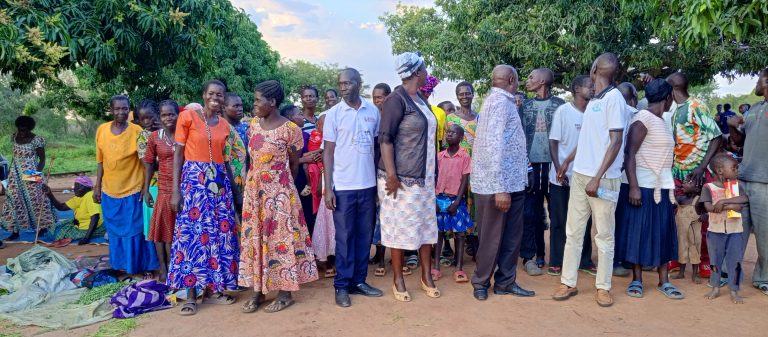
What does it take to protect children, keep young people in school and give them the opportunity to shape their own futures? In Kumele Wicere Parish in northern Uganda, around 120 community members came together to explore these questions, discuss the challenges facing their community and reflect on the role everyone can play in creating lasting change.
A Shared Concern for the Next Generation
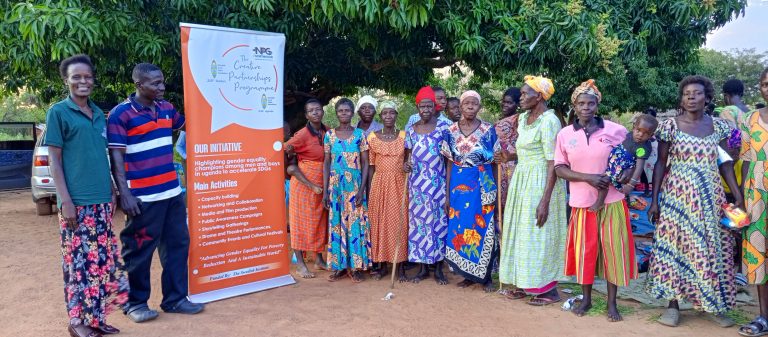
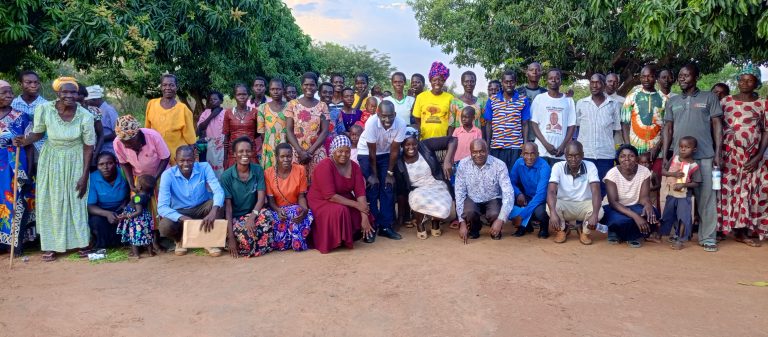
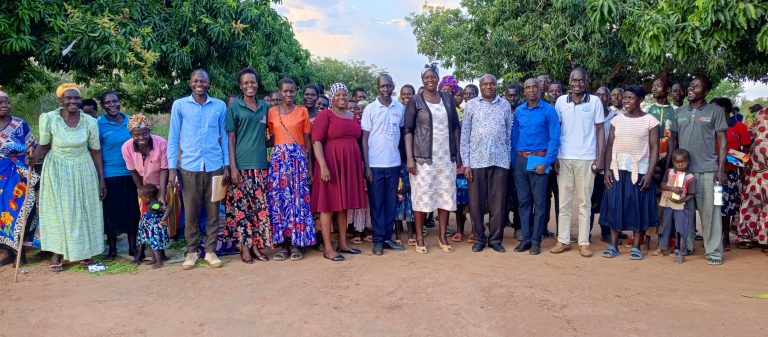
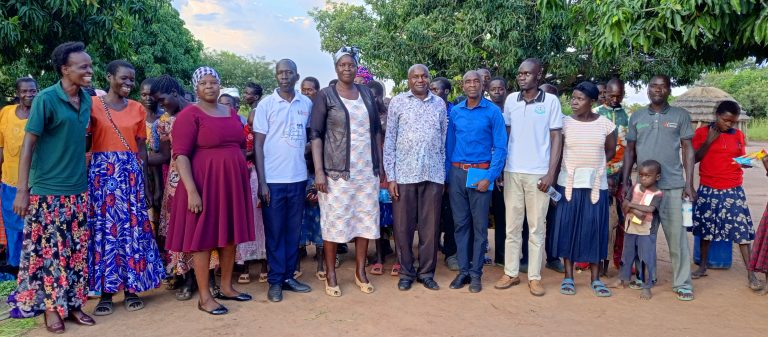
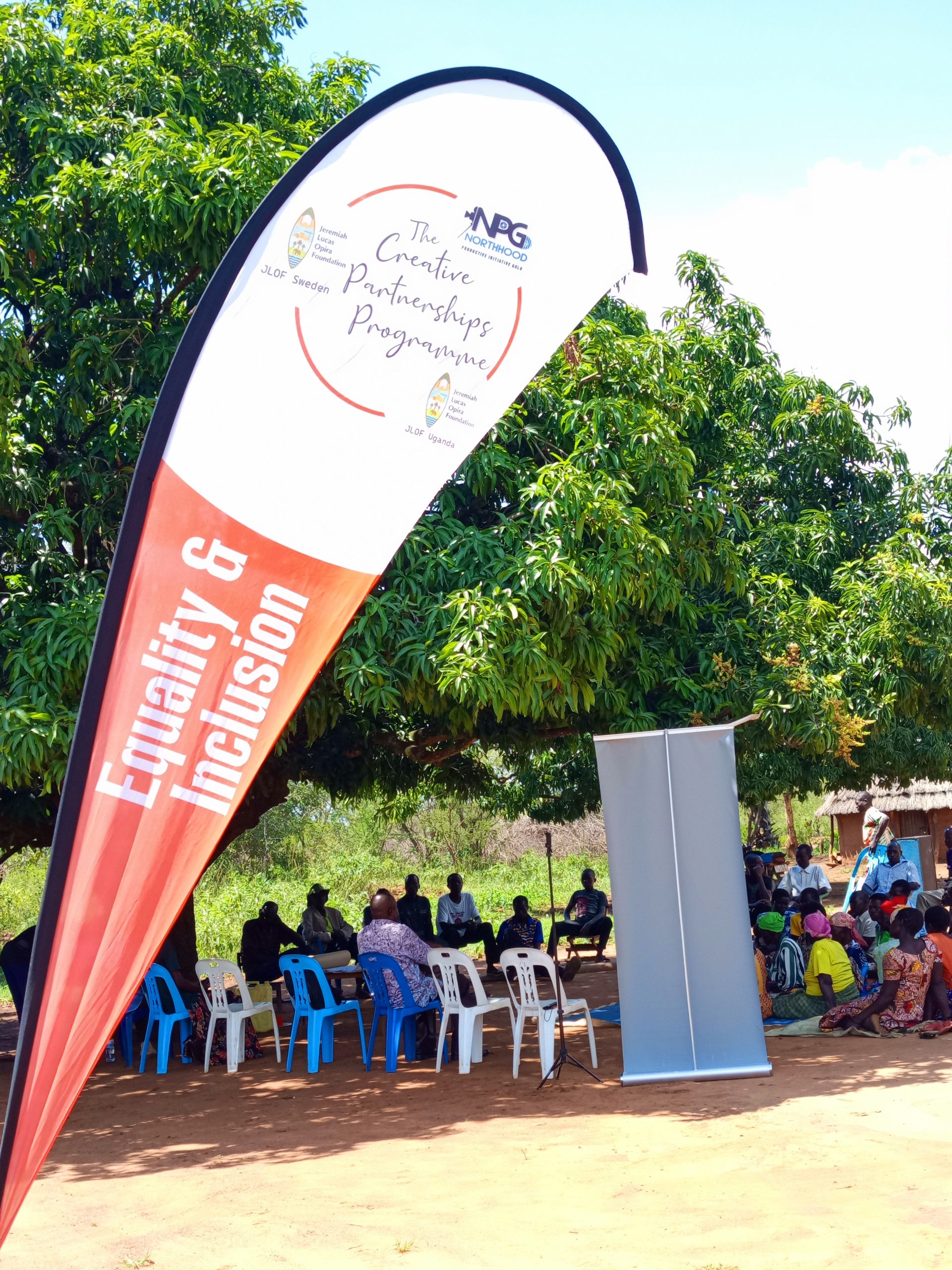
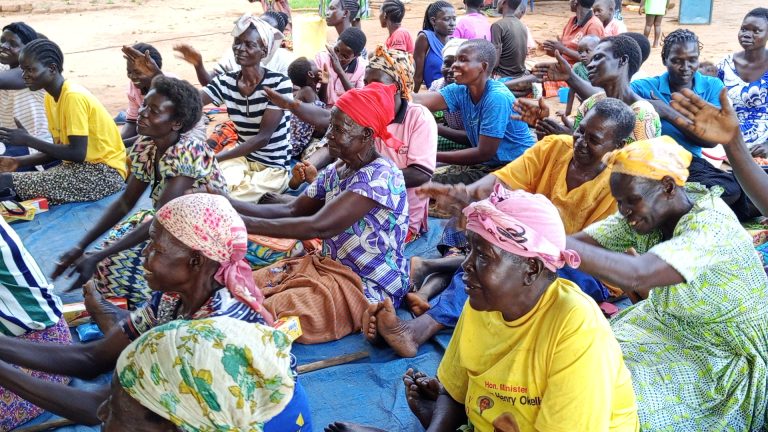
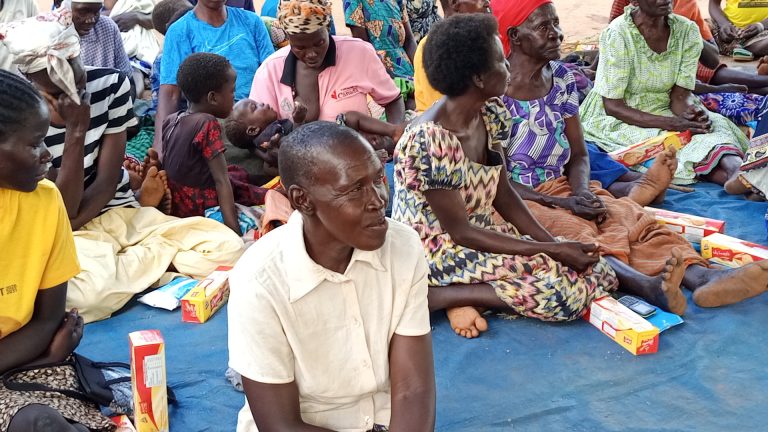
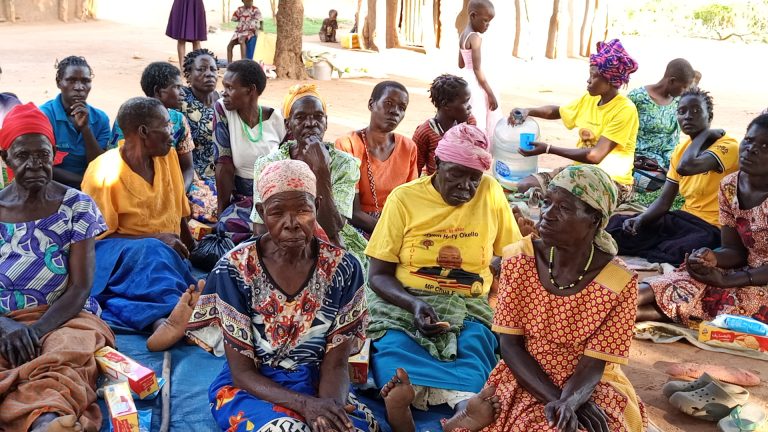
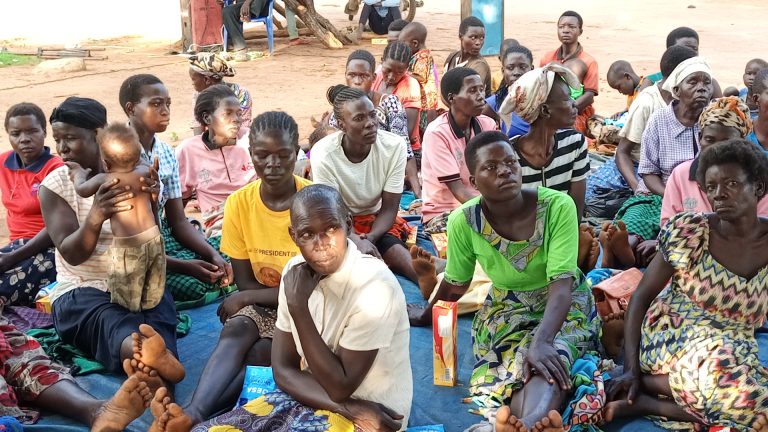
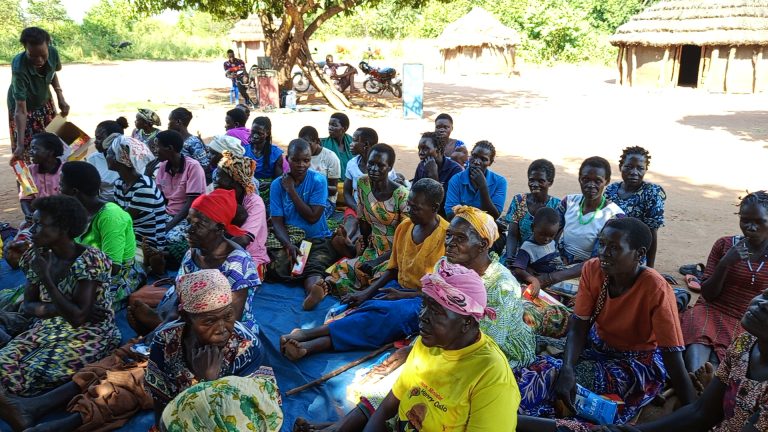
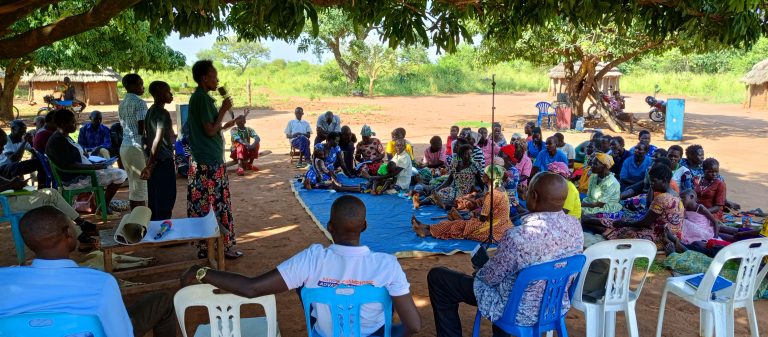
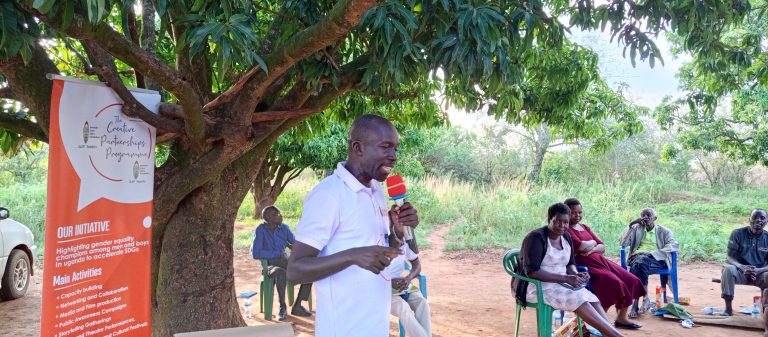
On 29 September, conversations about children’s futures brought together parents, local leaders and community members in Kumele Wicere Parish, Omiya Anyima Sub-County, Kitgum District, for an advocacy campaign organized by Jeremiah Lucas Opira Foundation Uganda.
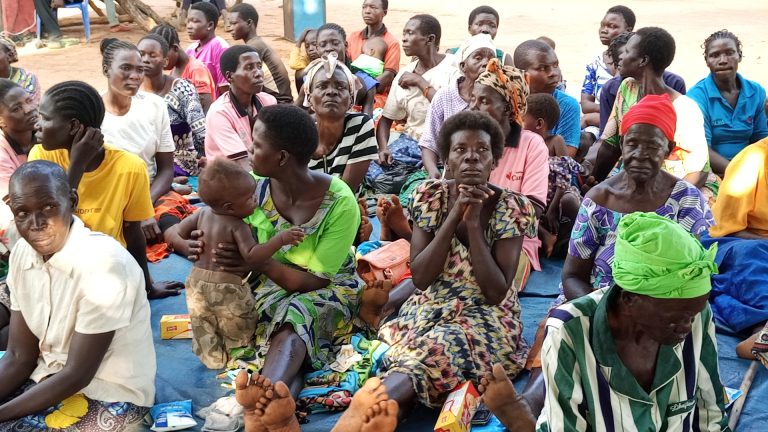
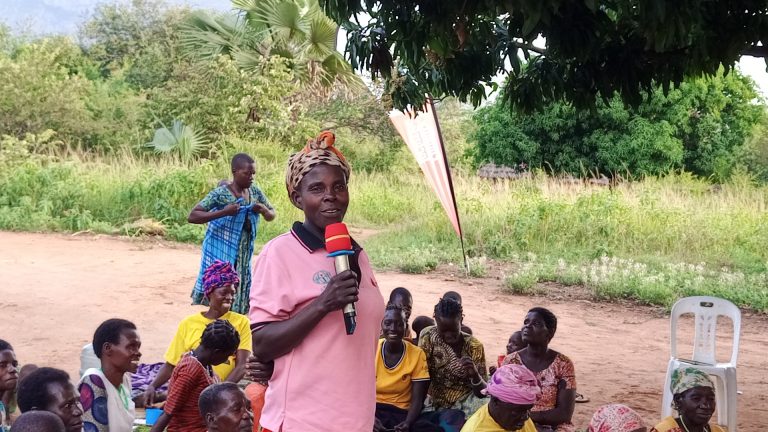
Around 120 people attended the gathering, including representatives from the local government, members of the Sub-County Council, the Community Development Officer, the Parish Chief and community members. Women made up a significant proportion of those present, reflecting the importance of involving parents and caregivers in conversations about children’s rights, education and wellbeing.
The campaign addressed challenges that continue to affect children and young people, including teenage pregnancy, early child marriage and school dropout. These issues are closely connected. When a young person is forced to leave school, their opportunities for the future can become severely limited. Early marriage and unintended pregnancy can further expose young people to social and economic difficulties, affecting not only their own lives but also their families and communities.
Organized under the TOGETHER GROW Project, with support from ADRA Uganda, the activity aimed to raise awareness and encourage community members to take an active role in addressing these challenges.
Changing Attitudes Through Dialogue and Shared Responsibility
Leading the presentation was Rev. Walter Otim Muzungu Munu, a National Gender Equality Champion from Kitgum, who drew on his experience in gender equality advocacy to guide the discussions.
His message focused on the importance of protecting children, promoting responsible parenting and ensuring that both girls and boys have the opportunity to remain in school and pursue their ambitions. He encouraged participants to look beyond the immediate challenges and consider what families and communities can do together to create a better future for the next generation.
One important theme was that protecting children and promoting gender equality cannot be left to women alone. Men and boys must also be part of the conversation and take responsibility for challenging harmful attitudes and practices, supporting children’s education and promoting respectful relationships.
Responsible parenting was another central topic. Parents and guardians were encouraged to take an active interest in their children’s lives, provide guidance and emotional support, maintain open communication and work together with schools to identify challenges before they become more serious.
The discussions also highlighted the importance of speaking up when children’s rights are threatened. Suspected or actual cases of child marriage should be reported to the appropriate authorities and child protection structures rather than concealed or settled through informal family agreements. Protecting a child’s safety, dignity and future must come first.
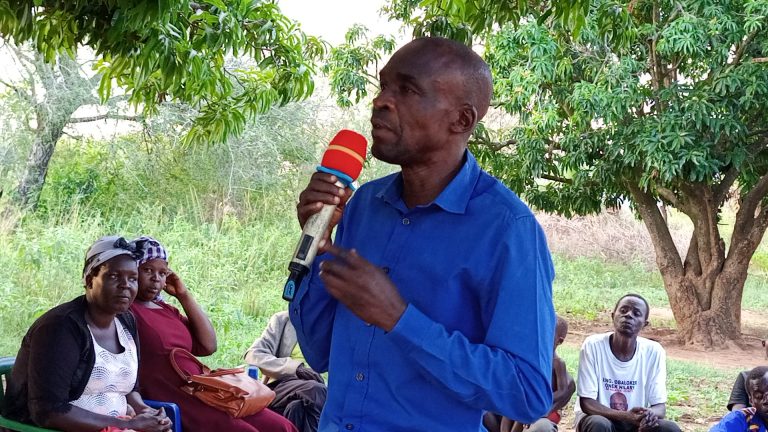
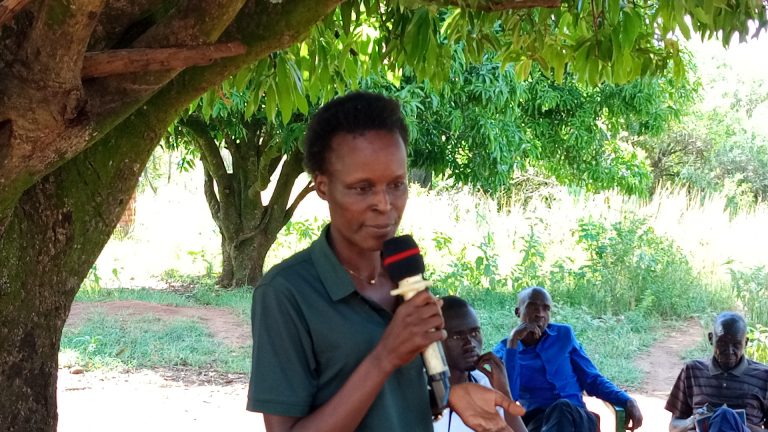
Through the presentation and subsequent community discussions, participants had an opportunity to reflect on how these issues affect their own community and what they can do to help prevent them.
A Conversation Worth Continuing
The response from participants was encouraging. Many appreciated the opportunity to engage with these important issues, and some expressed a desire for more time to explore them in greater depth. A single day, they felt, was not enough to cover everything. They suggested that similar activities could be organized over several days, potentially during school holidays when more students would be at home and able to participate directly.
Their response highlighted something important: communities do not simply need information. They also need opportunities to ask questions, share experiences, challenge existing attitudes and work together towards practical solutions.
The campaign was organized and coordinated by JLOF Uganda as part of the TOGETHER GROW Project, with ADRA Uganda providing the project framework and partnership support. Through its community-level engagement, JLOF Uganda helped bring local leaders, parents and other community members together around issues that directly affect the lives and futures of children.
Ultimately, creating a safer future for children requires more than individual efforts. It calls for families, schools, local authorities and entire communities to work together. By keeping these conversations alive, challenging harmful practices and making children’s education and protection a shared priority, communities can take meaningful steps towards a future in which every child has the opportunity to grow, learn and thrive.